
Getting teams into a productive rhythm in a hybrid world


Office leasing has changed
In the past, securing a private office meant committing to a long-term conventional lease and managing every part of the process independently. Today, that’s no longer the only option.
The rise of flexible workspace has popularised a new model: the managed office, where everything from design to daily operations is handled by a provider, with the business simply moving in.
For occupiers and owners reviewing their office strategy, understanding the differences between a managed office and a conventional lease is key to choosing the right solution.
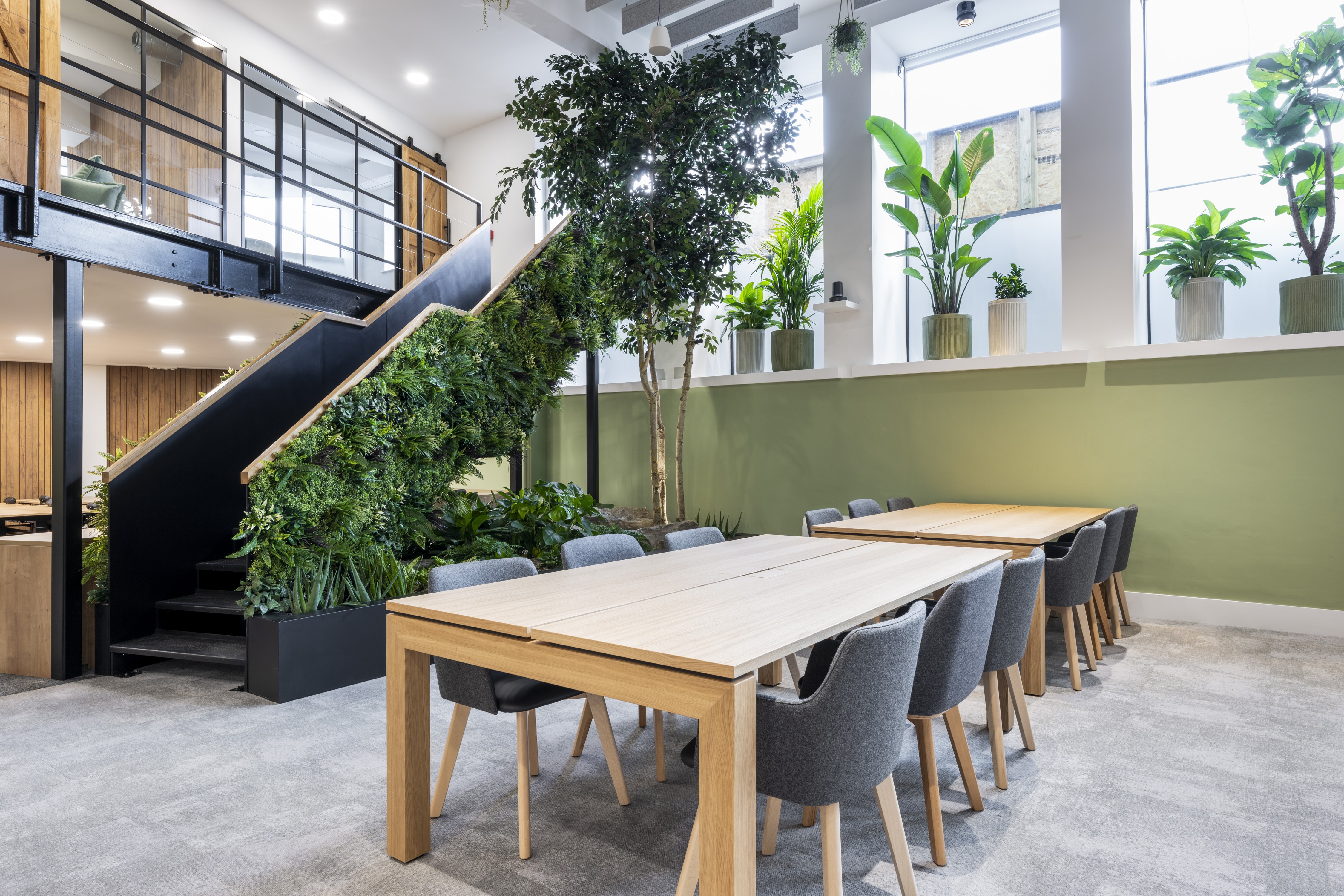
What do managed and conventional offices have in common?
1. Personalised design
Both conventional and managed offices allow for a high degree of personalisation. Whether through branding, layout or materials, either option supports a workspace designed to reflect company culture and ways of working.
2. Private facilities
Unlike serviced offices, both managed and conventional leases typically offer exclusive use of all amenities. Businesses gain access to a self-contained space, such as a full floor or unit, with private kitchens, meeting rooms and breakout areas.

Key differences to consider
1. Lease flexibility
Managed offices are usually offered on shorter, more flexible terms, ranging from 12 to 36 months. This suits teams that are scaling, adapting to hybrid work, or planning short- to mid-term commitments.
Conventional leases have historically involved longer commitments, even as long as 20 years. However, even conventional leases are now being offered on shorter terms. Ten years with a break at 5, and 5 years with a break at 3, are popular options, and are generally favoured by larger companies with long-term stability.
2. Speed of delivery
A managed office is typically delivered in 8–12 weeks, thanks to streamlined procurement and an experienced delivery partner.
In contrast, conventional leases involve a more fragmented process, with businesses responsible for sourcing contractors and managing the fit-out, often resulting in timelines that extend to 16 weeks or more.
3. Fit-out and capital costs
Conventional leases require an upfront capital expenditure (CapEx) investment, covering design, construction, furnishings, and compliance. These projects are often managed in-house or via third-party agencies.
Managed office providers include fit-out and furnishing in the monthly price, reducing upfront costs and minimising the need for internal resources to be directed towards managing a time-consuming office move.

4. Facilities and office management
In a managed office, day-to-day operations — from cleaning and maintenance to guest services and ad hoc requests — are handled by the provider. This creates a hospitality-grade experience with minimal oversight required by the tenant.
Conventional leases require the business to contract, coordinate and pay for each service individually. While this can offer more control, it also introduces greater complexity and administrative burden.
[Image placeholder: Office services in action — cleaning or deliveries]
5. Budget predictability
Managed offices offer a single monthly invoice that encompasses rent, services, utilities, and maintenance, simplifying financial planning and forecasting.
By contrast, conventional leases involve multiple suppliers and variable invoices. Predicting total occupancy cost requires more effort and can fluctuate month to month.
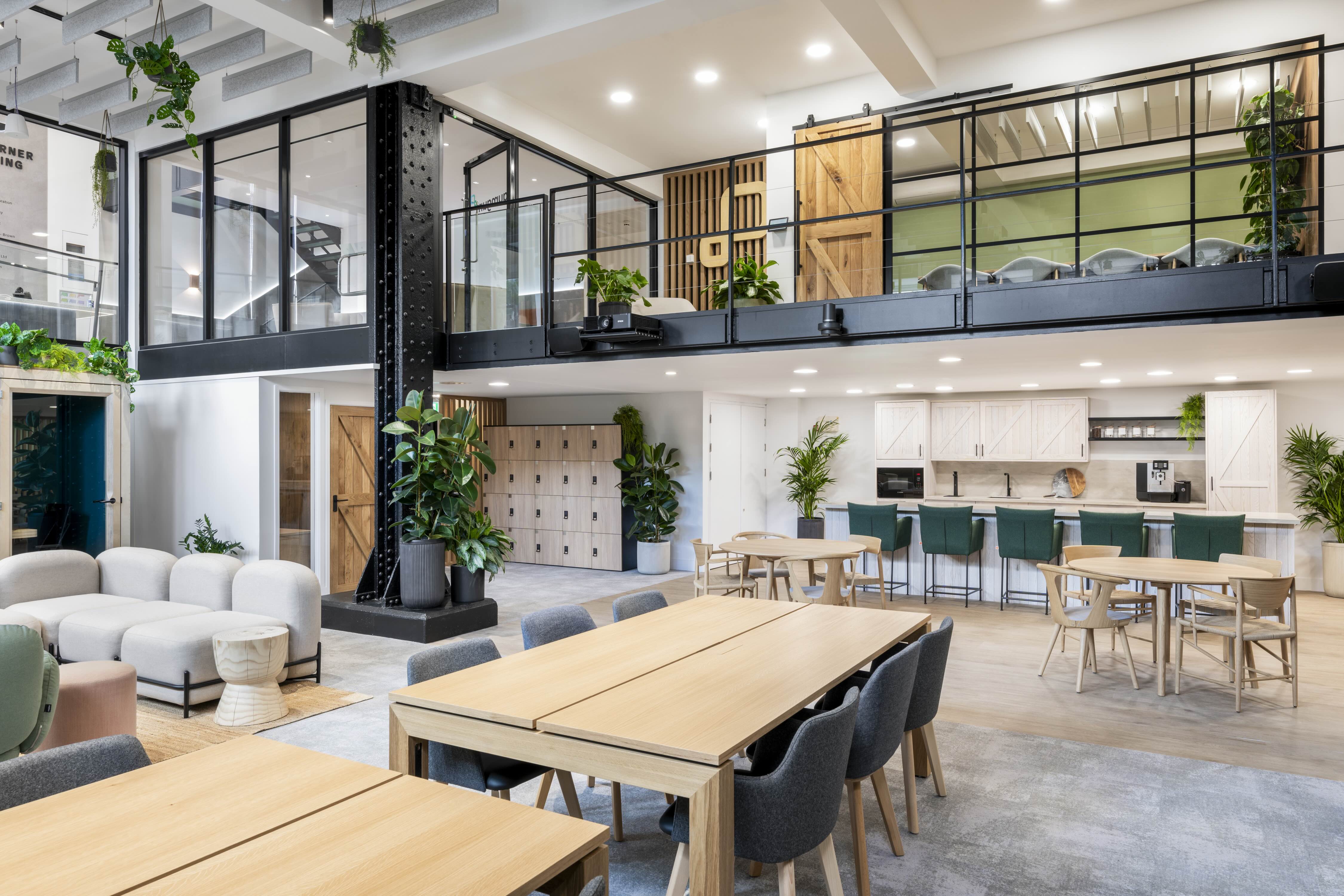
Which option is better?
Each workspace model has its strengths. The choice between a managed office and a conventional lease often comes down to:
- Internal resources
- Preferred speed and level of involvement
- Appetite for long-term commitment
- Budget structure (CapEx vs OpEx)
For occupiers prioritising flexibility, speed and simplicity, a managed office may be the better fit. For others with in-house facilities teams and long-term plans, a conventional lease may still offer value.
How Kitt helps
Kitt is a managed office operator that supports occupiers and owners in elevating their office experience – from search to move-in and beyond – with custom-designed workspaces, short-form leases, and a fully managed service powered by smart technology.
Looking for a flexible, fully managed office? Explore available spaces or learn how Kitt works.
Looking for a fully managed office in London?
Explore our available spaces or contact our team.